

011 | The Year of 2025 (Briefly)

As It Was

If 2024 felt crazy, 2025 was the year we started adapting to the crazy. Amidst chaos, we got better at moving with it. Good days, bad days, everything in between. For me, the shift wasn’t about control — it was about staying adaptable and consistent enough to navigate chaos without losing myself.
That mindset showed up everywhere. In how we worked, how we connected, and how we created.
Here are three shifts of the year that highlighted this.
🧳 A New Shape
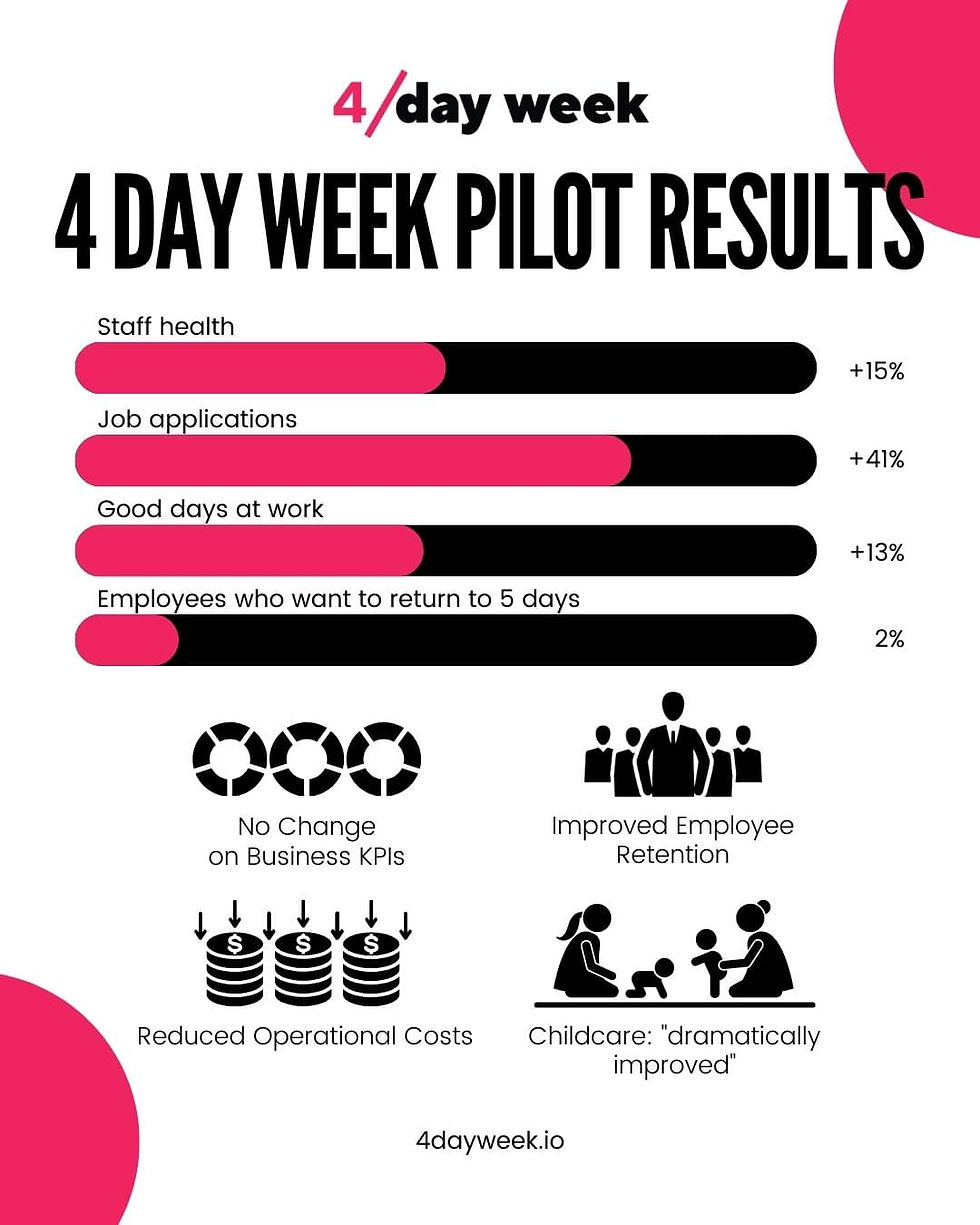
Younger workers are staying just over a year in early-career roles — not out of lack of dedication, but focus. It is the pursuit of growth and stability. This is one of the many reasons companies are trialling 4-day work weeks, such asthe UK’s 61-company pilot. It saw burnout drop 71%, and productivity stayed steady, prompting 92% of those businesses to keep the change permanently. With companies finding what works for them and their staff, it will be interesting to see what business models emerge in the future.
🤖 All That Intelligence
Nearly 43% of U.S. knowledge workers now use AI tools daily. It's not as flashy as it's introduction. As AI-generated content flood our feeds, it coined the term “AI slop” reflecting a very human pushback.
Most people don’t fear that AI will replace their jobs. They fear it ruining human creativity. In saying this, many industries have embedded AI use.

🫱🏽🫲🏿 Circles and Framed Circles
Sharing became more personal this year. Group chats, Close Friends stories, and tiny Discord servers — all were places of trust, presence, and play. Roughly 90% of Discord servers have fewer than 15 people, and most young users say they feel more authentic in private stories than public posts.
Connecting has become more purposeful. Everything is just closer.

Closing Thoughts
2025 didn’t teach us anything obvious — it revealed the smaller things. In careers, tech, and connection, we moved toward smaller, slower, and more intentional.
The question for 2026 is what will change, rather than whether these shifts will become more evident.


Comments